Public longevity projects
Turn one of your health actions into a public project.
Start with a concrete lever, follow a short 7-day progress path, and publish what you tried, noticed, or learned. Your small attempt is not banal. It gives the community something more useful than advice: a realistic reference.
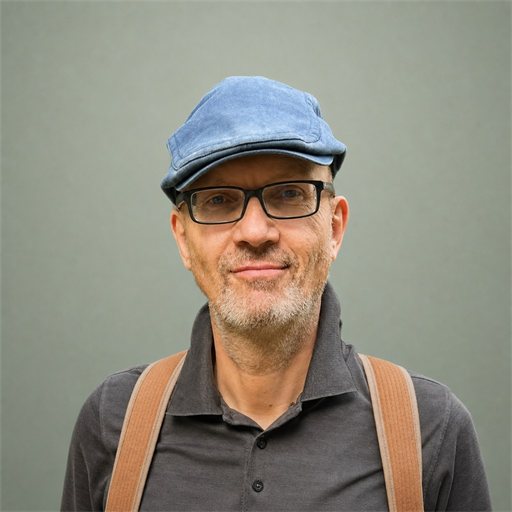 Built by Andreas Holzhäuser
Meet the founder and see the scientific foundation
Founder, self-taught product builder and father of four
Rule-based educational model · method and limits published
Built by Andreas Holzhäuser
Meet the founder and see the scientific foundation
Founder, self-taught product builder and father of four
Rule-based educational model · method and limits published
A personal reason
Why I built LifeTrajectory
I’m Andreas Holzhäuser, founder of LifeTrajectory, a self-taught product builder and father of four. One question is deeply personal to me: What can I do today to remain physically capable, mentally alert, and present for my family for as long as possible?
I hope to live long enough to see my great-grandchildren grow up. That ambition led me to build LifeTrajectory: not as a medical promise, but as a transparent educational tool that turns longevity research into understandable next steps.
Andreas Holzhäuser Founder and developer of LifeTrajectory
Andreas Holzhäuser · verified LinkedIn profile Watch the 46-question video series on YouTubeTransparent foundations
How the calculation is grounded
LifeTrajectory adapts parts of its questionnaire structure and category-based rule framework. This reference is not an independent validation of LifeTrajectory.
View the original calculatorLifestyle risk factors and residual life expectancy at age 40, BMC Medicine (2014). It supports selected lifestyle-risk context, not every model coefficient.
Read the full studyLifeTrajectory adapts these foundations into an educational estimate and personalized feedback. It is not a clinically validated prediction, diagnosis, or substitute for medical care.
See the method, factors, version and sources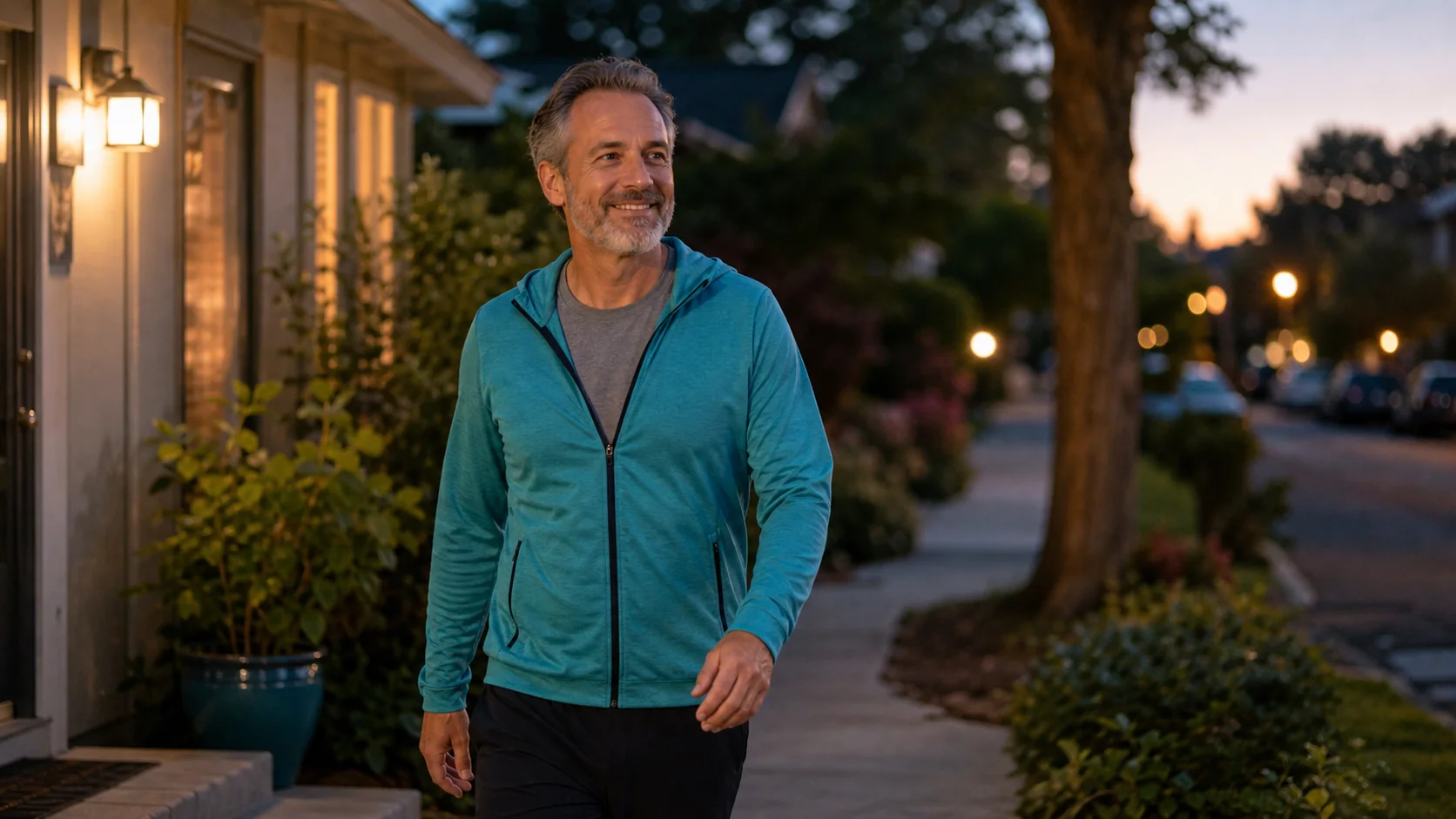
Example project
10-minute walk after dinner helped my sleep
I tried a 10-minute walk after dinner for seven days. On work nights, falling asleep felt less scattered and my sleep felt steadier. Next, I would keep the walk short and start right after cleaning the kitchen.
This is not a grand transformation. It is useful because it is real, specific, and easy for someone else to compare with their own evening.
Create yours like thisEach project works best when it names one behavior, one context, and one honest observation.
A short experiment can still be valuable when it tells people what was realistic in daily life.
Questionnaire tags connect public projects back to the levers people see in their own results.
Publish the concrete part: what you tried, what changed, and what someone else should know before trying it. Your lived example can help someone else begin.

diet free of refined sugar
1. Stable Energy Levels When you eat refined sugar, your blood glucose spikes, leading to a temporary "rush" …
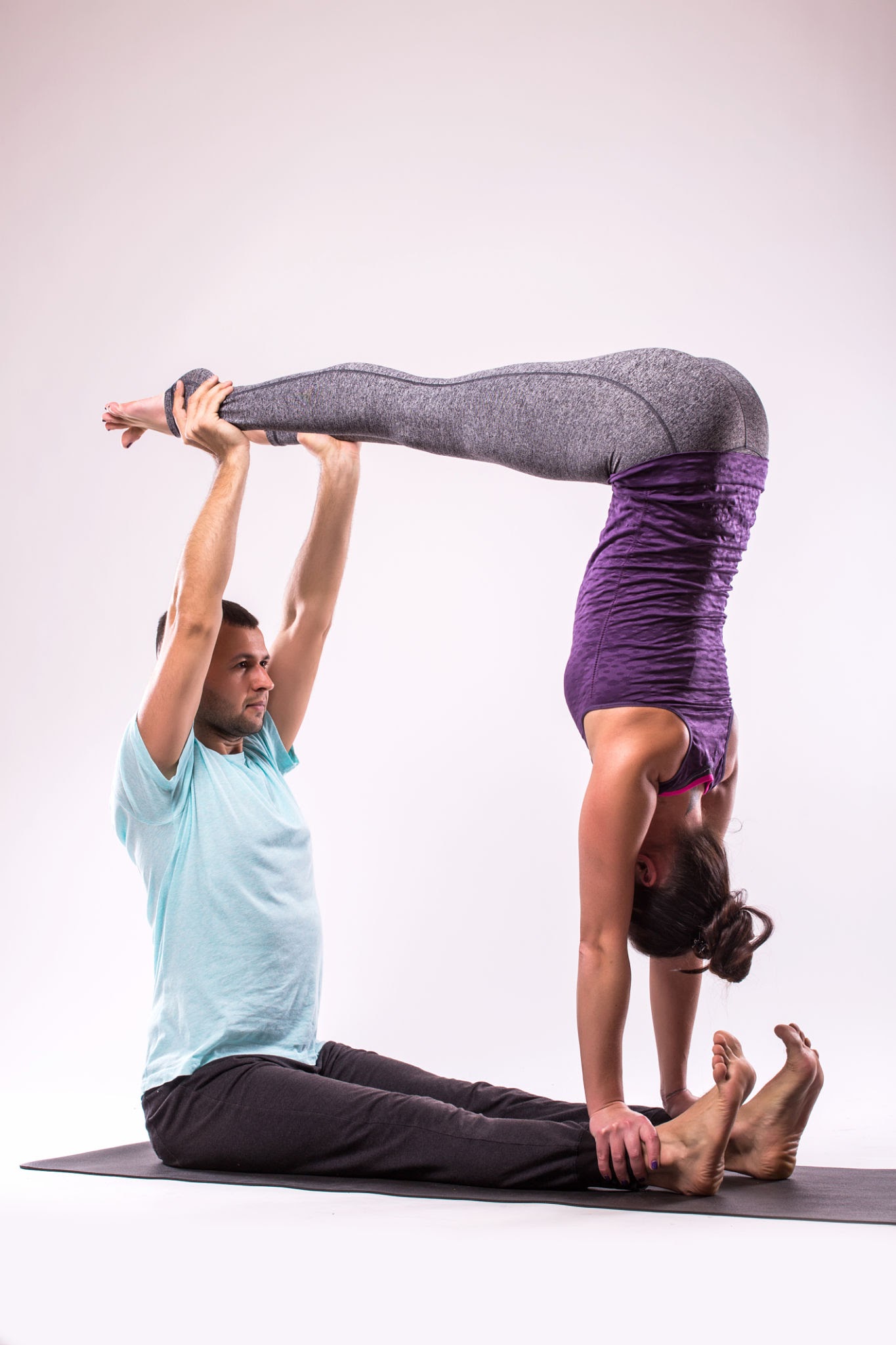
Yoga
Yoga is considered so healthy because it is a holistic practice that connects the mind, body, and breath, …